The Stone
There is a number that defines how much light a gemstone captures and returns to the eye. It is called the refractive index. Diamond measures 2.42. Sapphire, 1.77. The glass crystals used in fashion jewelry, 1.50.
ZEVERRA measures 2.65.
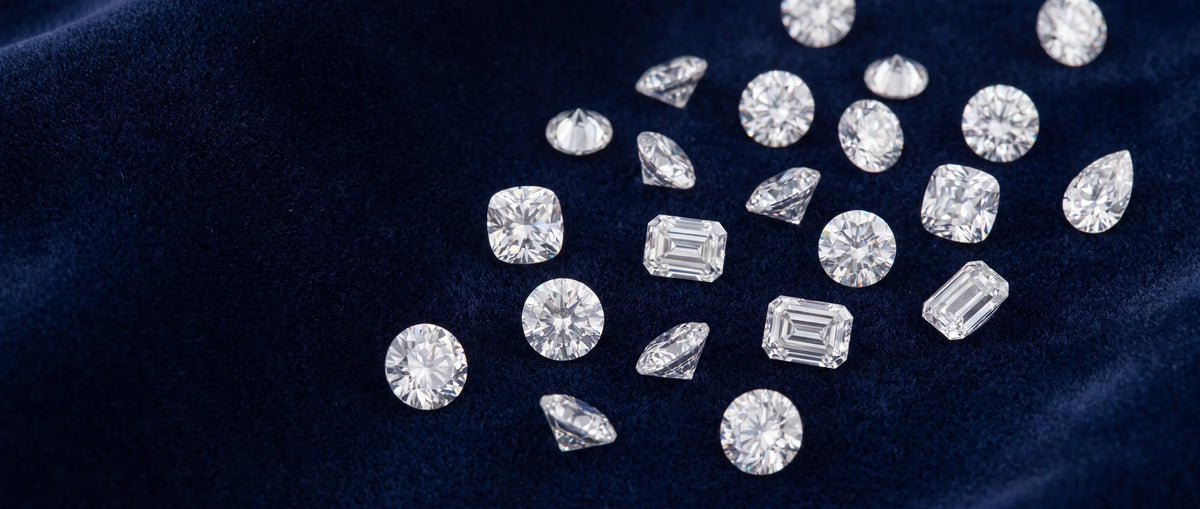
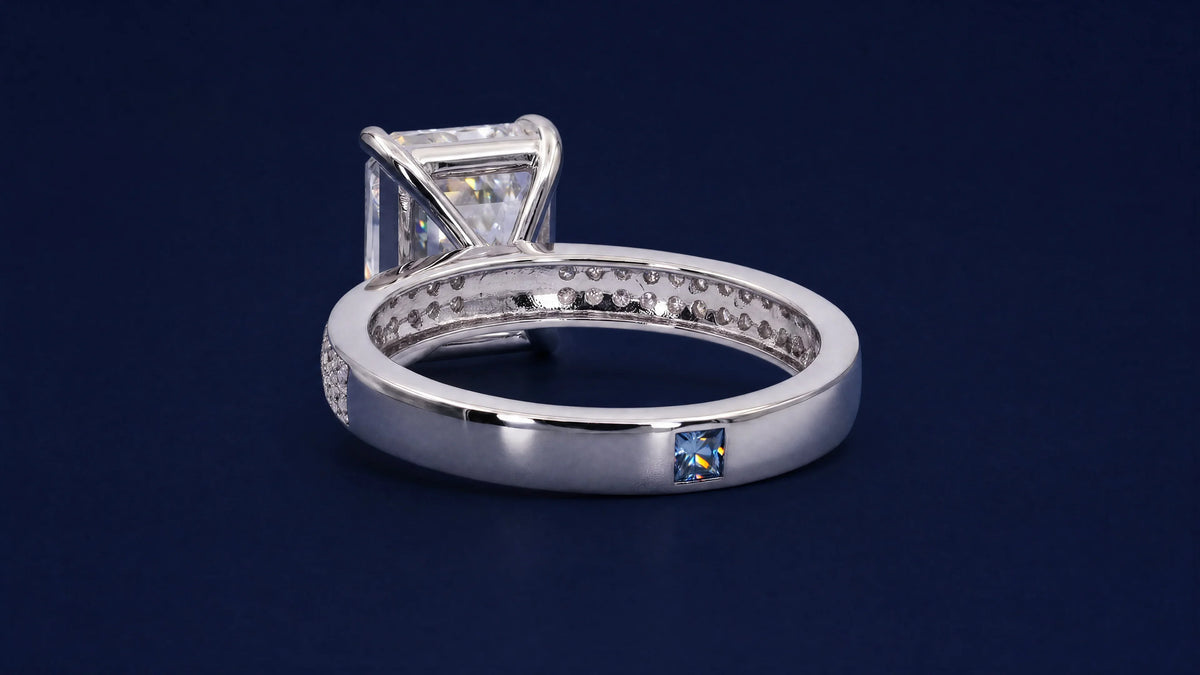
This is not a marginal difference. It is the difference between a stone that catches light and a stone that commands it. When a ZEVERRA stone moves under a lamp, in a window, in candlelight, the volume of light it returns is visible — immediately, unmistakably, to the naked eye.
The stone is engineered from silicon carbide, a crystalline compound grown as a single crystal under controlled conditions over the course of several weeks. Temperature, pressure, and atmosphere are calibrated at the atomic level. The result is a crystal lattice of such uniformity that light passes through it with almost zero loss.
Hardness is 9.25 on the Mohs scale — one step below diamond at 10, and above sapphire at 9. This matters for one reason: micro-scratching. Every surface we touch, every object a ring brushes against in the course of a day, leaves traces on softer stones. Over months and years, these traces accumulate as a haze — invisible at first, then gradually dulling the surface until the stone loses the brilliance it had when it was new.
At 9.25, a ZEVERRA stone sits above the threshold where daily wear causes measurable surface degradation. The stone you put on this morning will return the same light in ten years, in twenty, in fifty. The physics do not change.
We certify each stone with a unique serial number and a metal certificate card. We guarantee each stone for life — against scratching, clouding, and loss of brilliance.
We guarantee it because the material allows us to. That is the only honest reason to make a lifetime promise.